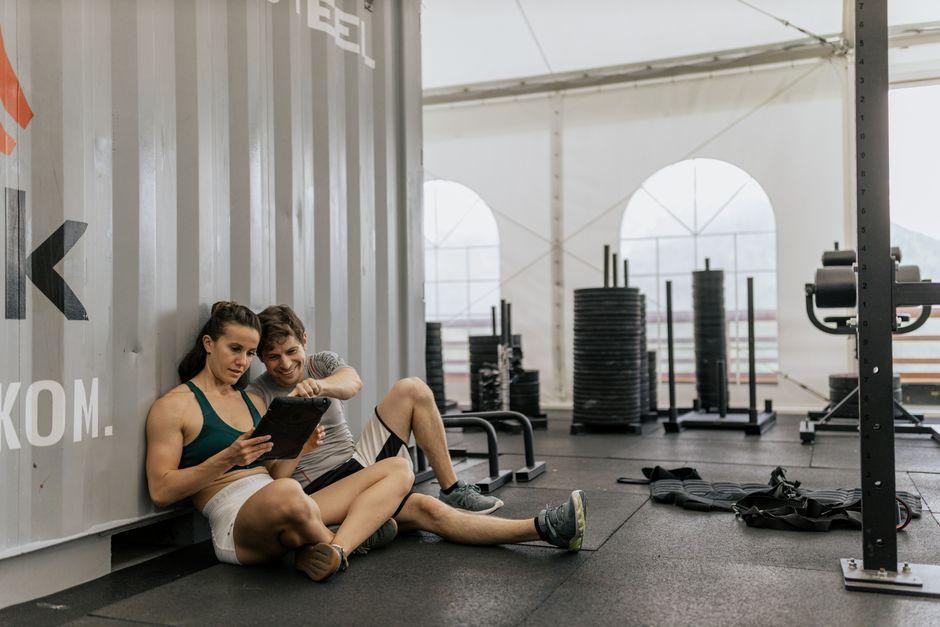
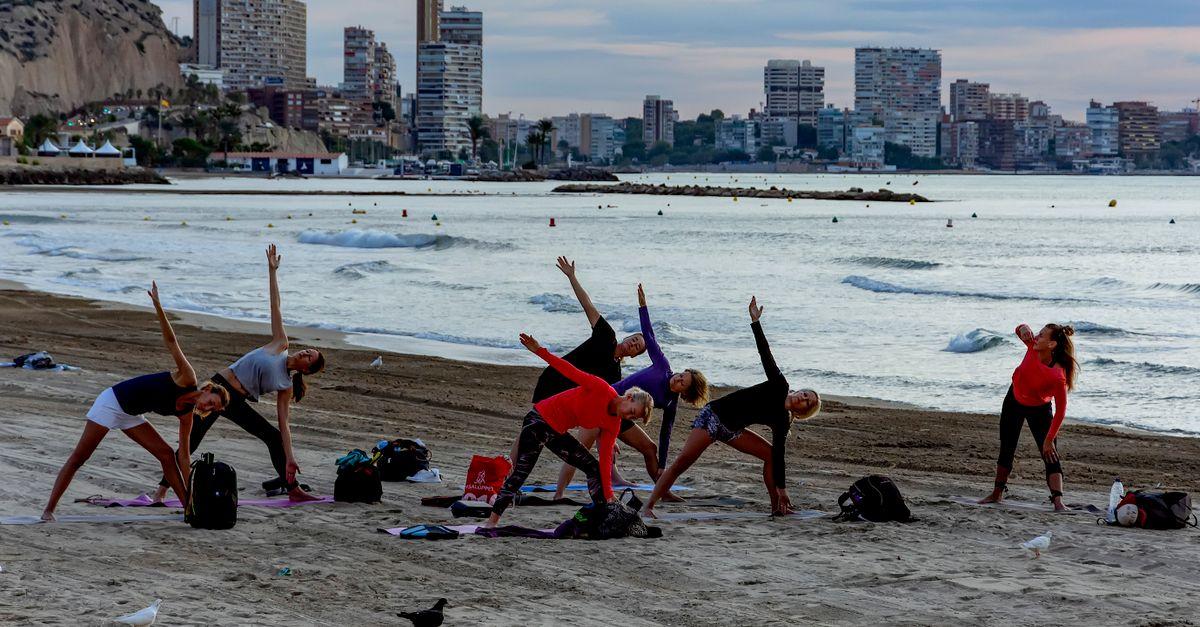
The Gulf region is in the middle of a measurable fitness transformation. According to GymNation's 2026 UAE & KSA Health & Fitness Report — which surveyed 15,322 residents across the GCC — 94% of respondents aspire to be healthier, compared to 76% in the UK and 75% in the US. 65% say their health has actually improved compared to the prior year. Aspirations are translating into measurable results.
We ranked the top 10 healthiest cities in the GCC for 2026 using a combination of survey data (GymNation 2026, n=15,322), national fitness market data (IMARC Group, Ken Research), and public health participation (Dubai Fitness Challenge). Where city-level data is not available, we use national-level figures with clear sourcing.
10. Manama, Bahrain
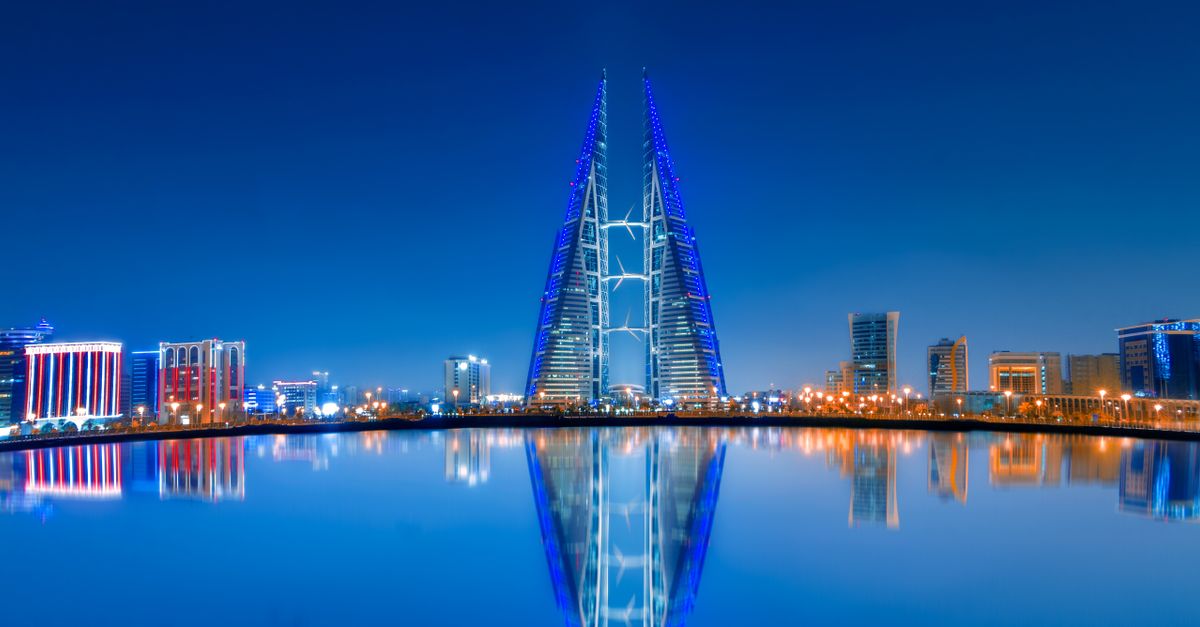
Bahrain's fitness market is the smallest of the six GCC countries — valued at USD 89 million in 2025 with a projected 7.7% CAGR through 2031 (Ken Research). But Manama punches above its weight: 34 of Bahrain's 88 fitness centers operate in the Capital Governorate, the highest commercial density in the country. Commercial supply is densest around Manama, where employment, malls, and affluent residential catchments support higher club utilization. The country has approximately 120,000 active paid member-equivalents, generating roughly USD 742 per active member annually — one of the higher per-member spends in the region.
9. Muscat, Oman
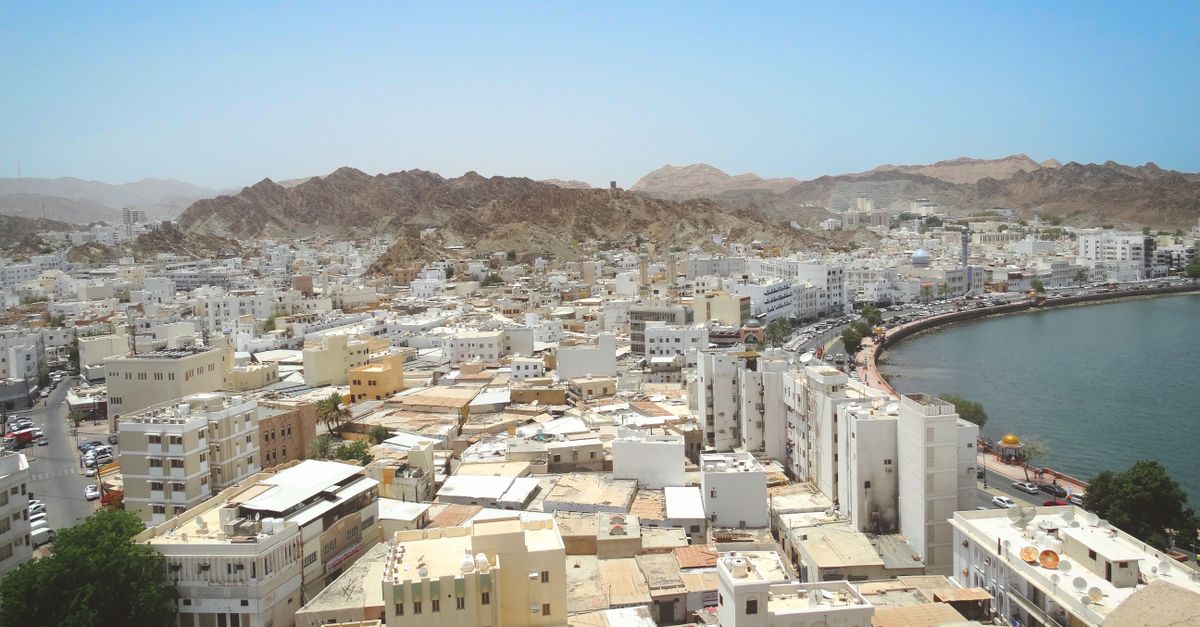
Oman's fitness services market reached USD 96 million in 2025 with a 7.2% CAGR through 2031 (Ken Research) — among the smallest in the GCC but growing steadily. The National Centre for Statistics & Information tracks fitness center expansion across all governorates. Oman's positioning is distinctive: lower commercial penetration means public recreation, beach fitness, and outdoor activity carry more weight than gym-based exercise. The country has been investing in walkable urban corridors in Muscat and Salalah that complement the existing fitness infrastructure.
8. Kuwait City, Kuwait
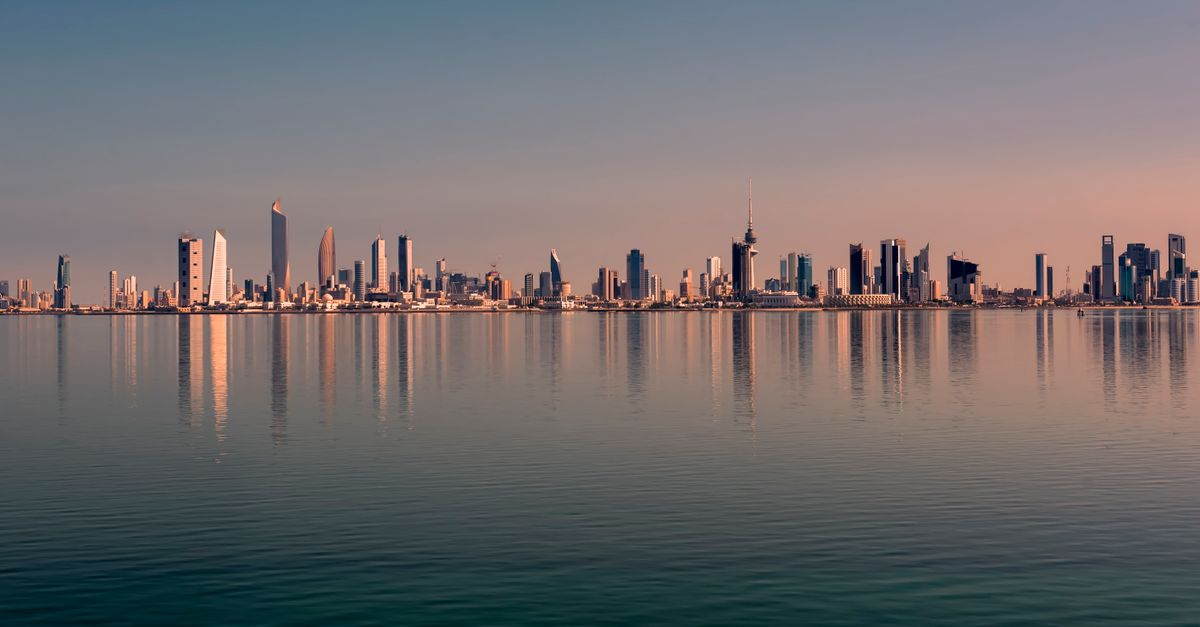
Kuwait's fitness services market reached USD 330 million in 2025 with a 7.4% CAGR through 2031 (Ken Research) — the third-largest in the GCC. The country has an active research base on physical activity. A 2025 study in the Open Public Health Journal examined adult activity patterns across Kuwait's six governorates and found that physical activity levels correlate strongly with marital status, age, and governorate. The Kuwait City and Hawaly governorates show the highest engagement. The fitness app market alone is projected to grow from USD 54.4 million in 2025 to USD 159.1 million by 2033, reflecting rapid digital adoption (Grand View Research).
7. Doha, Qatar
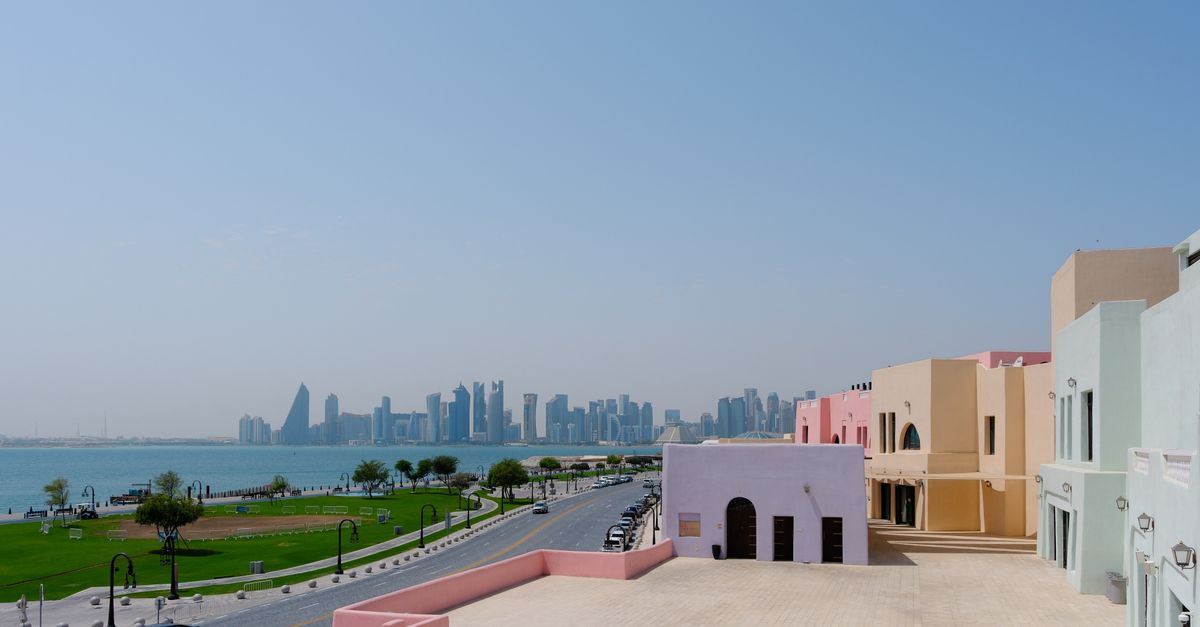
Qatar's fitness services market reached USD 110 million in 2025 with an 8.1% CAGR through 2031 (Ken Research). Doha benefits from world-class sports infrastructure built around the 2022 FIFA World Cup legacy — Aspetar, the Qatar Olympic Committee facilities, and the National Sports Day (annually in February) keep the population engaged. The fitness equipment market is set to nearly double from USD 66.5 million in 2025 to USD 128.4 million by 2034, an unusually high CAGR of 7.35% (IMARC Group). The digital fitness and well-being market in Qatar is projected to reach USD 89.63 million by 2029 (Statista).
6. Al Khobar / Dammam, Saudi Arabia

The Eastern Province of Saudi Arabia is the country's quiet fitness story. Dammam and Al Khobar benefit from a cooler coastal climate, walkable corniche infrastructure, and proximity to Bahrain (which many residents cross-train with). While city-level data is not as granular as Riyadh or Jeddah, Saudi Arabia's national market reached USD 1,260 million in 2025 — the largest in the region by a wide margin — and is projected to reach USD 2,808 million by 2034 (IMARC Group, 9.31% CAGR). The Eastern Province is the third pillar of Vision 2030 fitness infrastructure investment.
5. Jeddah, Saudi Arabia
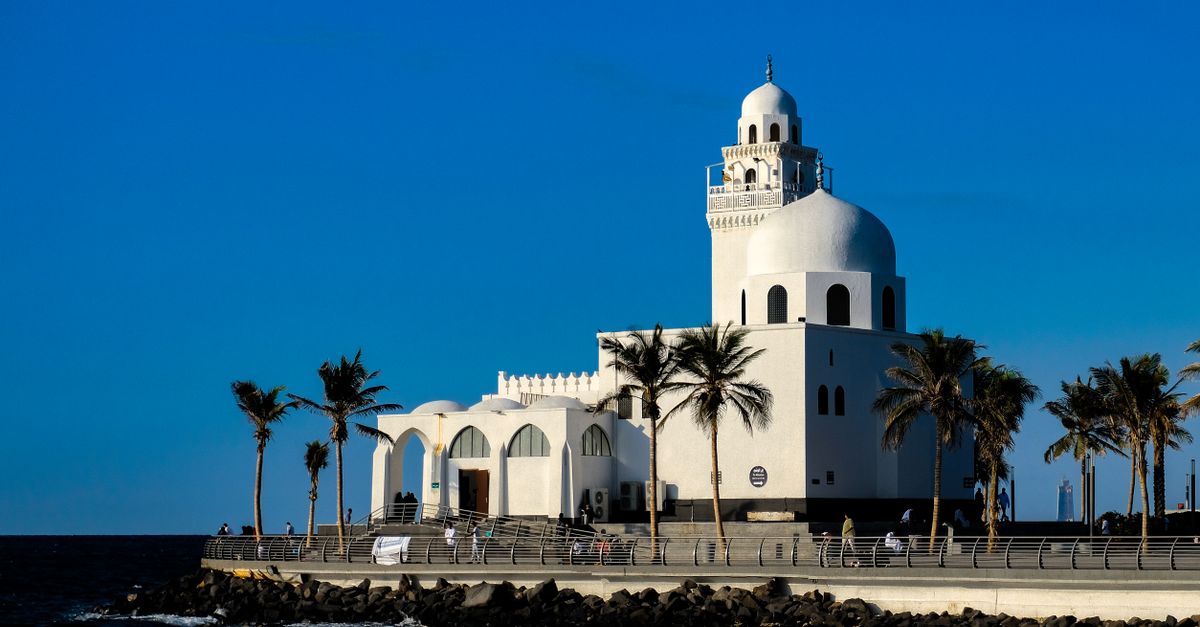
Jeddah ranks fifth in our list with 42% of residents exercising four or more times per week (GymNation 2026). The city's Red Sea coastline and active outdoor culture — swimming, diving, sailing, running clubs along the corniche — drive high participation rates. Crucially, 73% of Saudi women report adequate or improving gym access, the highest in the region, which lifts the female participation rate. Jeddah is also where GymNation opened its first six Saudi locations in 2024, selling 12,000 memberships within 72 hours — record-breaking pre-opening sales that signaled Saudi appetite for budget fitness.
4. Riyadh, Saudi Arabia
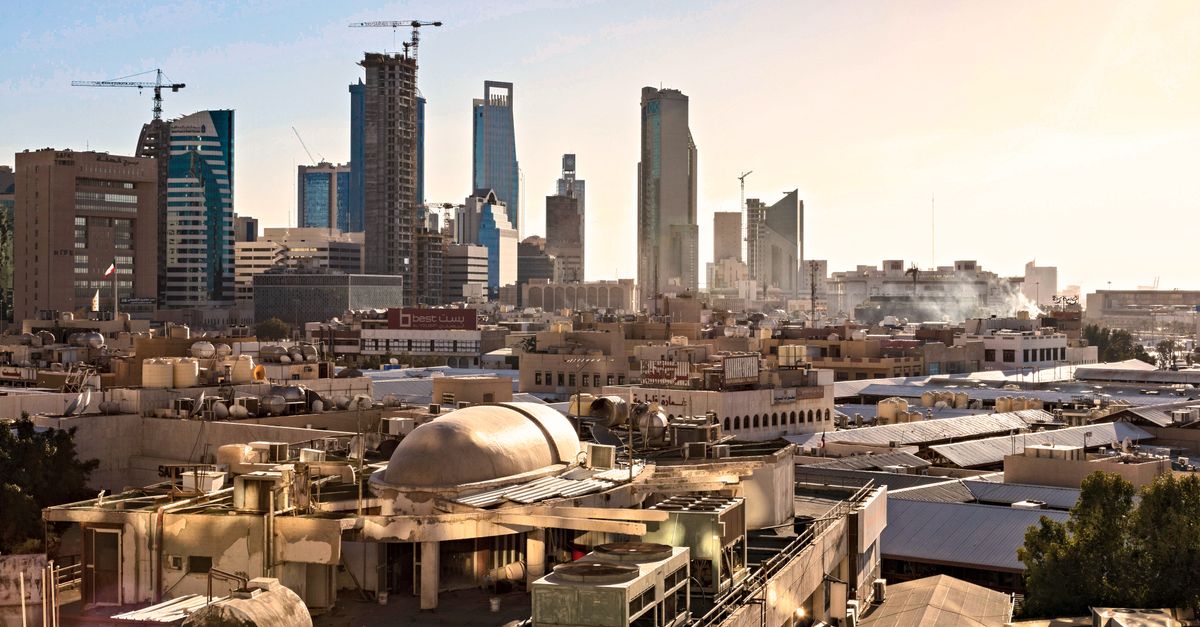
Riyadh climbs to fourth with 43% of residents exercising four or more times per week (GymNation 2026) and a city-level fitness market that has grown rapidly under Vision 2030. In June 2025, GymNation opened its largest facility to date in Qurtubah, Riyadh — 77,000 square feet with Saudi Arabia's largest ladies-only reformer Pilates studio, outdoor roof terrace, and comprehensive recovery zones. The national milestone: 59% of Saudis now exercise 150+ minutes per week, exceeding the Vision 2030 target of 40% by a wide margin.
3. Abu Dhabi, UAE
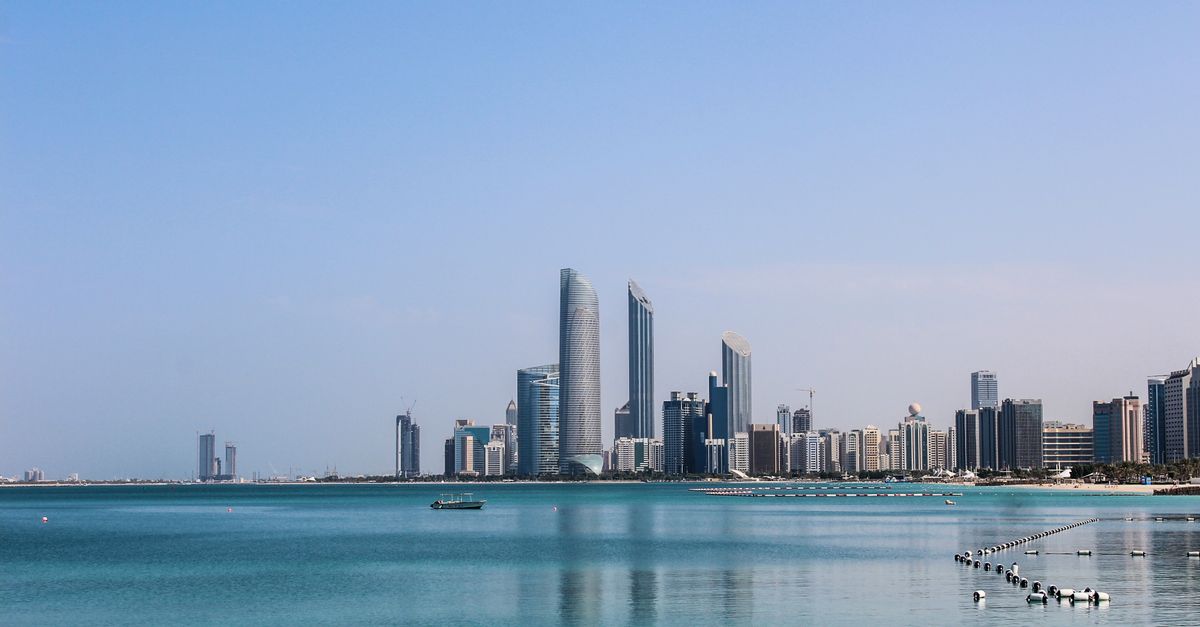
Abu Dhabi ranks third with 47% of residents exercising four or more times per week (GymNation 2026) and 76% of fitness facilities offering hybrid programming — the highest hybrid penetration in the GCC. Abu Dhabi's population of 4.14 million creates a deep enough urban fitness cluster to support budget gyms, mid-tier clubs, premium wellness centers, and boutique studios simultaneously. The emirate has invested heavily in active infrastructure: the Corniche, Hudayriyat Island's Velodrome, and the upcoming Etihad Rail connections to Dubai and beyond. MoHAP obesity data shows Abu Dhabi at 26.4% obesity prevalence — lower than the Northern Emirates (36-39%) and comparable to Dubai.
2. Sharjah, UAE
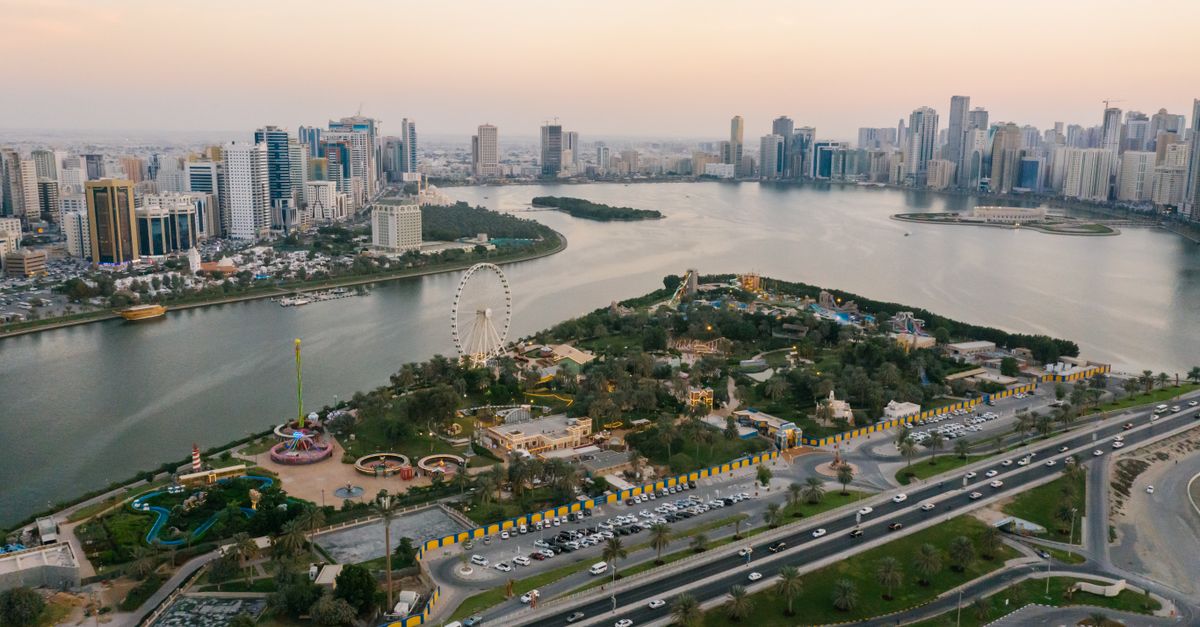
Sharjah comes in second with 51% of residents exercising four or more times per week — just one percentage point behind Dubai (GymNation 2026). The city is one of the most surprising stories in the region. Sharjah has historically been known as the cultural capital of the UAE, but its fitness growth has outpaced the headline cities. The Sharjah Sport Council has invested heavily in public running tracks, beach fitness zones, and women's-only facilities that have lowered the cost and intimidation barriers. Exercise frequency by city data places Sharjah second only to Dubai in the UAE.
1. Dubai, UAE
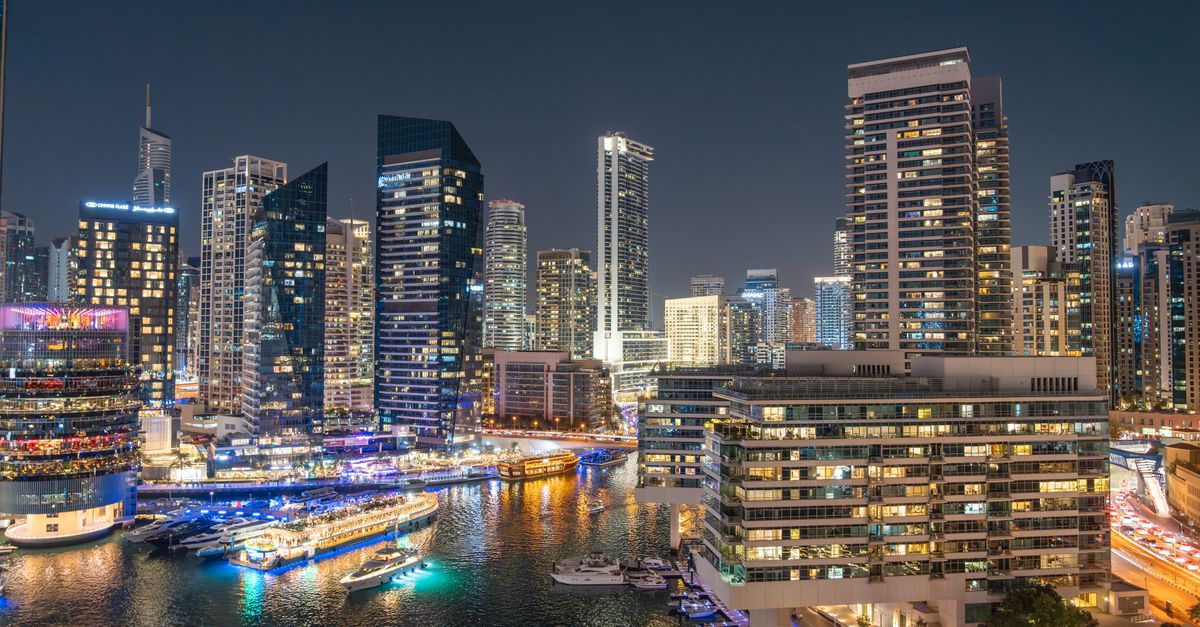
Dubai claims the number one spot as the healthiest city in the GCC for 2026, with 52% of residents exercising four or more times per week (GymNation 2026, n=15,322). Dubai Fitness Challenge 2025 drew 3 million participants across 30 days — the largest community fitness event in the region. The Dubai population of 4.25 million supports the deepest fitness market in the Middle East: budget gyms, premium wellness centers, boutique studios, hybrid facilities, and recovery-focused concepts all operate profitably. Dubai has the lowest obesity prevalence in the UAE at 22.2% (MoHAP), and 76% of fitness facilities offer hybrid programming. The combination of public health investment, private sector scale, and community-led programming makes Dubai the benchmark GCC city for fitness participation.
What makes a Gulf city healthy in 2026
Three signals matter across the GCC: weekly exercise frequency (how often residents actually train), gym membership growth (commercial demand), and public health participation (government-led programs). Dubai wins on all three. Sharjah's second place reflects its public sector fitness investment. Abu Dhabi is third thanks to infrastructure depth. Riyadh and Jeddah lead the Saudi cities, both exceeding Vision 2030 participation targets. Doha benefits from post-World Cup sports infrastructure. Kuwait City has the third-largest fitness market in the GCC. Al Khobar / Dammam is the quiet eastern Saudi fitness story. Manama punches above its weight given Bahrain's small market size. Muscat trails, but Oman is investing in walkable urban corridors that should lift its rank over the next three years.
The data underlying this ranking is sourced from GymNation's 2026 UAE & KSA Health & Fitness Report (n=15,322), IMARC Group fitness market reports (Saudi Arabia, Qatar), Ken Research GCC fitness services reports (UAE, Saudi, Kuwait, Qatar, Oman, Bahrain), Dubai Fitness Challenge 2025 official participation data, and MoHAP UAE obesity prevalence studies. Where city-level data is not available, national-level figures are used with the source noted inline.
Methodology
This ranking combines three weighted factors: weekly exercise frequency (40%), national fitness market size and growth (35%), and public health participation indicators (25%). The exercise frequency data comes from GymNation's 2026 report, which surveyed 15,322 UAE and KSA residents across five cities (Dubai, Sharjah, Abu Dhabi, Riyadh, Jeddah). For cities where direct frequency data is not available, we used national-level fitness market data (IMARC Group, Ken Research) and public health participation indicators. The ranking is weighted toward participation rather than commercial size — a city where residents actually exercise ranks above a city where the fitness market is large but participation is unclear.