
More services
Classes, appointments, recovery services, rooms, equipment, merchandise, and events each needed operational control.
LifeLab is the operating proof behind Livwell: a premium wellness ecosystem managing 13 distinct service lines — memberships, classes, appointments, recovery services, room and equipment bookings, events, workshops, retreats, corporate wellness, merchandise sales, payments, staff workflows, and client engagement — on one platform.
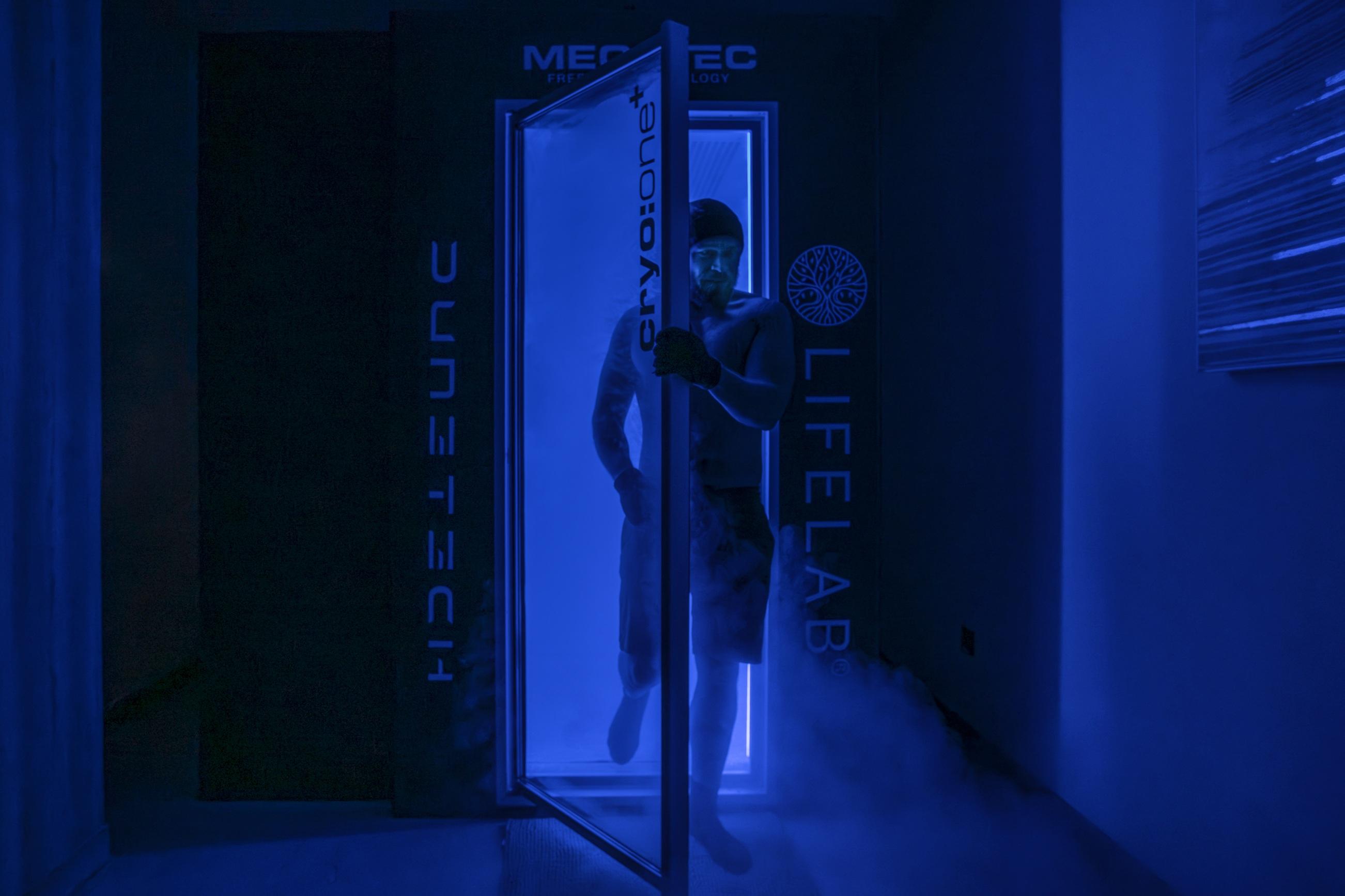
LifeLab was never a simple studio with a calendar and a checkout flow. It was growing into a premium wellness ecosystem, with members, practitioners, recovery rooms, classes, consultations, events, workshops, retreats, corporate wellness opportunities, merchandise, payments, and ongoing client engagement all moving at once.
Classes, appointments, recovery services, rooms, equipment, merchandise, and events each needed operational control.
Front desk, practitioners, instructors, managers, and leadership needed to see the same client and booking reality.
Members expected the experience to feel premium before, during, and after every visit.
Before Livwell, LifeLab operated across a fragmented stack that included Mindbody, HubSpot, Zoho CRM Plus, Mailchimp, event platforms such as Platinumlist, Everfit, Typeform, Google Sheets, Slack, Jane App, and Hostaway. The issue was not only software cost, although HubSpot alone cost around $2,500/month in platform fees before paid advertising. The deeper issue was operational complexity.
Leadership standups became spreadsheet-heavy because the business view had to be assembled from multiple systems.
Client, booking, payment, and campaign data had to be reconciled across tools that were never designed as one operating layer.
Non-technical staff had to learn too many workflows, remember too many exceptions, and switch between tools to complete everyday work.
LifeLab needed one source of truth for a modern wellness ecosystem. That meant a system strong enough for day-to-day service delivery, but simple enough for real teams to use without becoming software operators.
Memberships, class bookings, appointments, rooms, equipment, recovery services, payments, and staff workflows needed to connect.
The system had to make sense to front-desk teams, practitioners, instructors, managers, and leadership.
Clients needed booking, payments, communication, and engagement to feel like part of the LifeLab brand.
Owners needed clearer reporting across utilization, revenue, capacity, retention, and operational next actions.
Livwell helped reduce dependence on a scattered software stack by bringing more of the operating heavy lifting into one environment. It did not need to make exaggerated promises. The value was practical: fewer disconnected workflows, clearer staff execution, and a stronger foundation for client engagement.
Bookings, payments, memberships, staff workflows, recovery services, and client engagement could be managed with a more connected rhythm.
Leadership could rely more on system visibility and less on manual reporting rituals.
Non-technical staff could work from clearer flows instead of carrying the burden of disconnected software in their heads.
LifeLab's recovery services added a layer of complexity that generic fitness software rarely handles elegantly: specialized rooms, equipment capacity, session timing, staff visibility, payments, package access, and client communication.
Recovery operations need capacity rules that understand the space, the equipment, and the client journey.
Service entitlements need to be visible at the point of booking, payment, and staff delivery.
Premium recovery services need communication that feels calm, clear, and on-brand.
As LifeLab expanded into event-led engagement, workshops, retreats, and corporate wellness, the old pattern of sending work to separate event tools created more gaps. Livwell was shaped to support those commercial paths without letting them become side operations.
Operator teams need visibility across attendance, payment state, capacity, communication, and follow-up.
Higher-touch experiences require cleaner coordination across clients, staff, facilities, and payments.
B2B wellness programs need structure around accounts, groups, access, service delivery, and reporting.
Many serious wellness businesses are not underperforming because they lack demand. They are leaking time, money, visibility, and team energy because the operating system underneath the business was assembled tool by tool.
A cheaper stack can still be expensive if it creates duplicate work, poor visibility, and slow staff execution.
The better the client experience, the more important it becomes to coordinate bookings, payments, staff, facilities, and follow-up.
LifeLab gave Livwell the operating reality behind the product: a working wellness ecosystem with complex daily needs.
The next step is a practical Wellness Systems Audit. We review your booking flows, payments, memberships, staff workflows, reporting, client engagement, and current software stack so you can see where operational drag is costing the business.
Book a Wellness Systems Audit or apply for the Early Partner Launch to review the operating layer your wellness business needs.