

Pilates reformer studio software is the operating layer that books by machine, tracks per-reformer depreciation, manages one-on-one to group-of-eight configurations on the same floor, and rotates qualified instructors across equipment setups. The point is to replace a class-booking app, an asset spreadsheet, and a WhatsApp instructor thread with one system that shares one member record, one equipment register, and one source of truth for every reformer. GCC studios in Dubai, Riyadh, Doha, and Abu Dhabi spend AED 40,000 to AED 90,000 per reformer, and a generic booking app that cannot tell reformer 7 from reformer 18 cannot run that fleet.
Booking by reformer slot, not by class
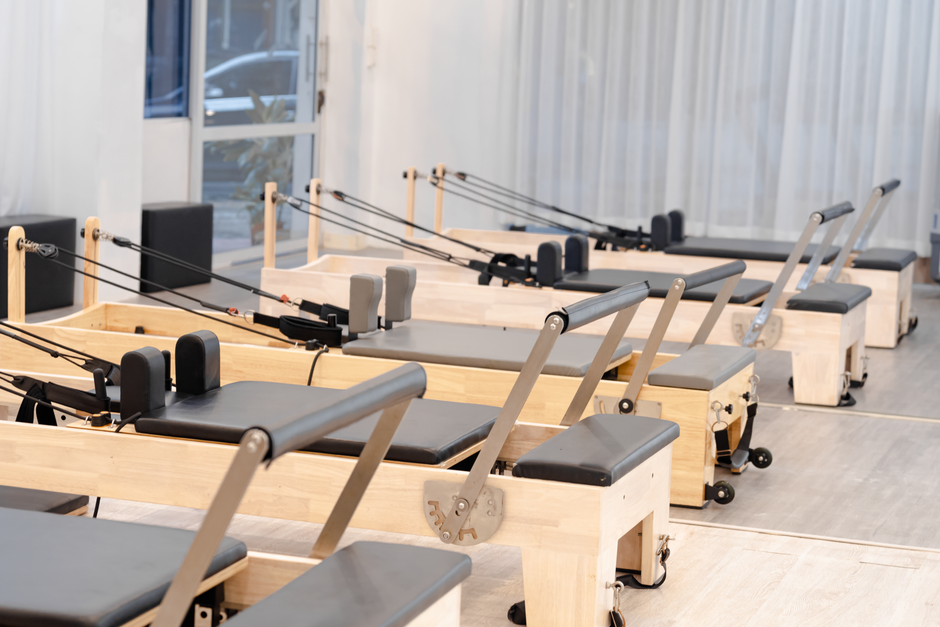
A reformer studio sells a machine for a window of time, not a class. Reformer 7 from 10:00 to 11:00 is one inventory unit, and reformer 4 from 10:00 to 11:00 is a different unit that can be sold to a different member at a different price. Software that only knows class names forces your front desk to reconcile which machine each booking is on, which is where the WhatsApp screenshots start. Reformer studio software should let a member pick a reformer from a floor plan, hold the slot, and release the machine back to inventory when the booking ends or is canceled.
In practice, that is a reformer grid where each machine has a name, a maintenance state, a current configuration, and a per-slot price that can differ by member type. A private booking on reformer 4 at 09:00 is priced as one-on-one. The same reformer at 10:00 in a group configuration can hold up to eight members at a group rate.
Equipment-level capacity from one-on-one to group of eight
Capacity is per equipment, not per class. A reformer in private mode holds one member. The same machine in duet holds two. In trio it holds three. In a group configuration it holds up to eight, with the instructor circulating. Software that treats capacity as a class cap forces your front desk to remember the configuration on the fly. Reformer studio software should let you set per-reformer capacity per slot, lock the machine when full, and route overflow to a waitlist tied to the equipment, not the room.
The clean version is one floor plan, one inventory of reformers, and a configuration flag per slot. Mixed-level group sessions up to twelve members across multiple reformers run as a multi-equipment block with a roster, a coach, and a price that varies by machine.
Maintenance and depreciation on a $10,000 to $25,000 reformer
A reformer is capital equipment, not a yoga block. Entry-level commercial reformers start around AED 37,000, premium brands run AED 55,000 to AED 92,000 per unit, and a fully equipped GCC studio floor is a seven-figure asset. Software that treats reformers as chairs leaves depreciation, warranty, and service history in a binder. The right system holds an asset register per reformer with purchase date, purchase price, supplier, serial number, expected life, depreciation method, warranty end, and a service log per machine.
Maintenance records include spring changes, wheel service, carriage calibration, rope and strap replacement, and upholstery work, with a date, a technician, a cost, and a downtime window that blocks the reformer from booking. Studio managers in Riyadh and Dubai see depreciation per machine on a P and L report. A reformer running at 30 percent utilization drops into the same view next to its depreciation line.
Instructor rotation across configurations
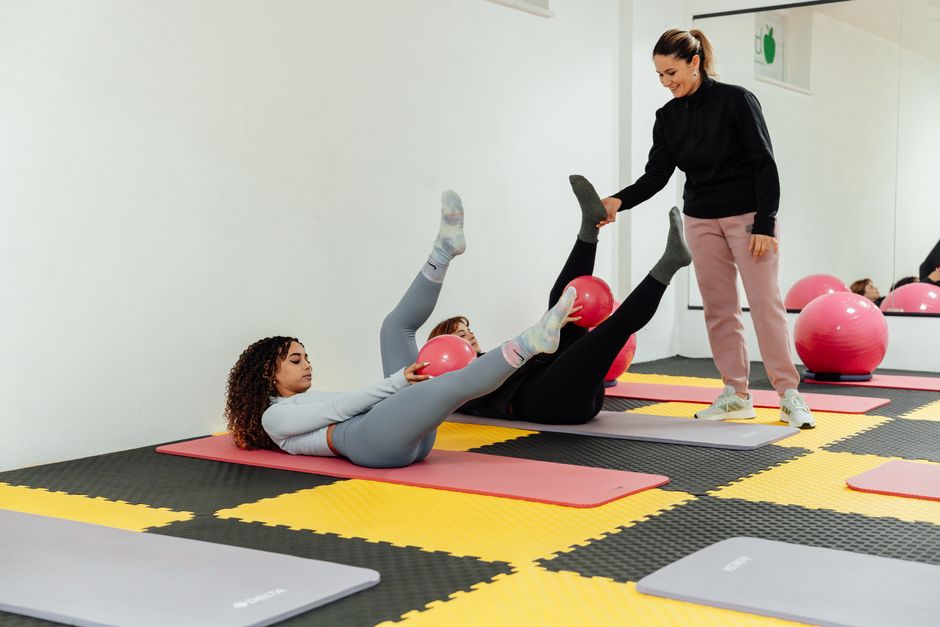
An instructor who can teach a one-on-one is not automatically certified to teach a group of eight, and a prenatal-certified instructor is not the right fit for a post-rehab block. Software that only stores one instructor profile forces your studio manager to defend certifications in a spreadsheet. Reformer studio software should hold a per-instructor profile with qualifications, certifications, languages, hourly rate per configuration, and an availability calendar.
For GCC studios handling morning peak, summer, and back-to-school rosters inside the same year, the calendar should let you set season templates that swap on a date. Instructors see their assigned machines for the week on mobile, mark availability, and swap with another qualified instructor when travel or sickness lands on their day.
Cancellation policy that respects the machine
A private reformer booking has a higher late-cancel fee than a group reformer booking because the studio loses the entire machine, not a single seat. A studio manager in Jumeirah who lets a member cancel a one-on-one reformer an hour before the slot eats AED 250 to AED 400 in lost revenue plus an empty machine. Reformer studio software should let you set per-configuration cancellation rules, charge the fee automatically on AED through Mada, Knet, tabby, SADAD, or Apple Pay, and release the machine back to inventory.
No-shows on a private reformer are tracked separately from late cancels, with a strike count that escalates from warning to fee to booking hold. Members see the cancellation rule per configuration before they confirm the booking, in English or Arabic, so the policy is not a surprise. Studios in Doha and Riyadh use the same machinery with a different time window.
Waitlist, priority queue, and mixed-level group reformer
Premium reformer slots fill fast. A studio running eight reformers in Dubai Marina with a 60 percent utilization rate still has the 18:00 group reformer block booked out three weeks ahead, and a generic waitlist that does not understand configuration leaves members waiting for the wrong slot. Reformer studio software should hold a per-reformer waitlist, surface the next open slot by configuration and level, and route overflow from a private cancel into the next qualified member.
Priority queue is for members who prepay on a multi-pack, members on a studio reformer plan, and members flagged for a post-rehab block who need a specific configuration. Mixed-level group reformer runs as a multi-machine block with up to twelve members across reformers, a coach circulating between machines, and a per-member level flag.
Livwell vs generic gym software for reformer studios
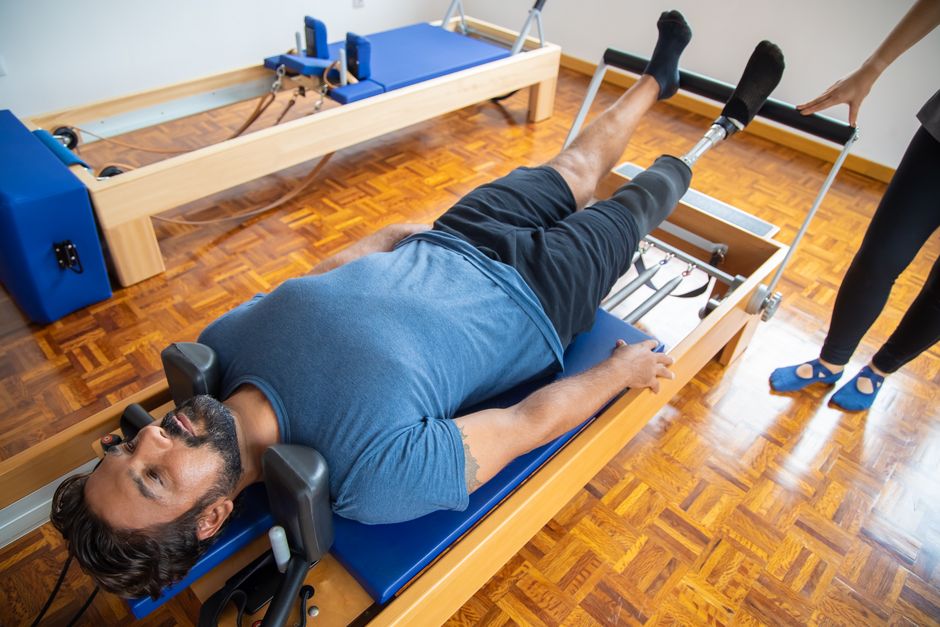
Generic gym software treats every session as a class booking, every member as a single record, and every piece of equipment as identical. That works for a fitness studio running group classes on mats. It does not work for a reformer studio running per-machine bookings, configurations from one-on-one to group of eight, an asset register per reformer, depreciation per machine, instructor rotation by configuration, and cancellation rules that differ by configuration. The seams show up the first time you record a spring replacement, depreciate a reformer, or run a mixed-level group block.
Livwell is built around those workflows. Pricing is $79 per month for Starter, $199 per month for Growth, and $399 per month for Scale, with a 14-day free trial. AED is a first-class currency, Mada, Knet, tabby, SADAD, and Apple Pay are wired in as native payment methods, and the portal renders in 7 locales including Arabic with full RTL support. The 4-week migration plan is run by our team, and the entry point is a 48-hour Wellness Systems Audit. If your reformer studio is past one machine and one configuration, the question is not whether you need reformer studio software; it is whether you want one platform that books by machine, or five tools and a WhatsApp thread.


