

Pilates studio pricing models decide whether your GCC studio runs on predictable recurring AED revenue or a churn curve that resets every January. GCC Reformer Pilates dominates the premium tier at roughly 30 to 50 percent above mat pricing, and the four structures below cover every realistic mix of mat, Reformer, Tower, and intro-offer demand. The model you pick also decides the architecture your booking platform needs to support: class-pack expiry rules, group versus private rate cards, intro-offer-to-paid conversion events, and corporate tier logic. The right pricing on the wrong platform costs more than the wrong pricing on the right platform.
Class-pack pricing for tourists and seasonal demand
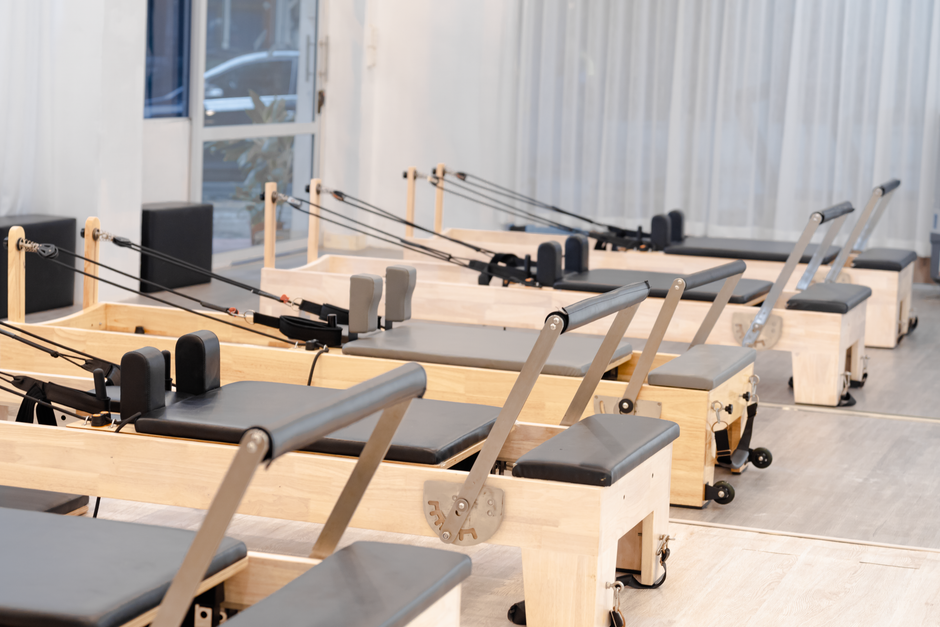
Class packs at 10 classes valid for 90 days are the workhorse of GCC pilates pricing because they fit two real demand patterns: tourists in Dubai and Jeddah who want a one-week deep dive, and seasonal Riyadh members who travel for summer. The pack price should sit 15 to 25 percent below the drop-in rate per class, with the discount framed as a commitment reward, not a sale. Example points: AED 250 per drop-in Reformer class versus AED 1,999 for a 10-class Reformer pack valid 90 days. Per-class unit price is AED 200, the member saves AED 500 over 10 drop-ins, and the studio gets AED 1,999 in pre-paid cash on day one.
Pack expiry matters. A 90-day rolling expiry lifts utilization because members do not want to lose what they paid for. A 6-month or 12-month pack expiry without a freeze option drives complaints because Ramadan, summer travel, and Ramadan Umrah eat into the validity window. The pack should freeze on demand, extend by the freeze days, and surface as a member-visible status inside the portal in English and Arabic.
Unlimited monthly: the recurring base for mat and Reformer
Unlimited monthly is the recurring base for any GCC pilates studio serious about predictable revenue. The structure is a flat AED monthly fee, auto-renewed on a date the studio chooses, with a defined set of included class types per tier. GCC anchor points are AED 599 per month for unlimited mat, AED 899 per month for unlimited Reformer, and AED 1,599 per month for unlimited Reformer plus Mat plus Tower. Each tier gets its own price list in the platform so the front desk does not have to remember cross-tier rules at the bookings page.
Auto-renew is non-negotiable. Members should never need to manually renew a paid monthly tier; the platform attempts the charge on the renewal date, retries failed payments on a defined schedule, and triggers a dunning sequence in the member's preferred channel. AED is a first-class currency in Livwell, so Mada, Knet, tabby, SADAD, and Apple Pay are wired in as native payment methods without separate integrations. The member sees a renewal date, a payment status, and a freeze or cancel link in their portal.
Reformer tier premium: how much above mat is fine
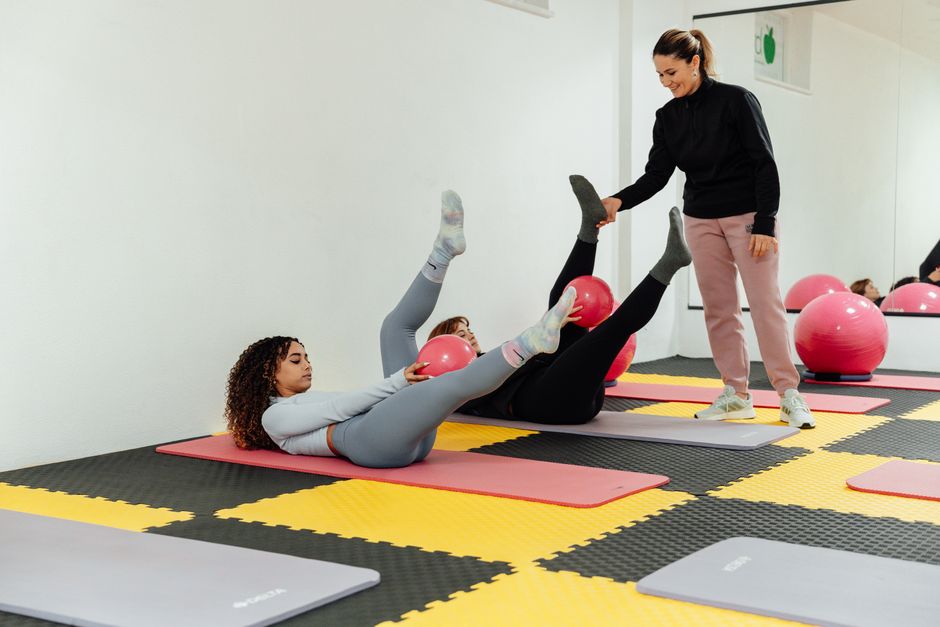
Reformer tier typically prices 30 to 50 percent above the mat tier, with combined Reformer plus Mat plus Tower pushing higher. The exact premium depends on the city, the reformer brand, and the instructor ratio. Dubai Marina studios with Balanced Body reformers and BASI-certified instructors price toward the high end. Sharjah and secondary-city studios price toward the lower end. Going below 30 percent collapses the premium and confuses members on why Reformer costs more; going above 50 percent prices out most of the addressable market unless the studio runs a celebrity-coach positioning.
The premium has to hold across all your pricing structures: drop-in, class pack, unlimited monthly, intro offer. If a member sees Reformer pack at AED 200 per class and mat pack at AED 800 per 10-class unit, the ratio is intact. If the studio drops Reformer pack to AED 1,499 to chase volume, the premium breaks and the studio leaves AED 500 on every Reformer sale. Livwell's price list per service line keeps the ratio constant across all pricing structures.
Group Reformer versus private Reformer
Group Reformer at 3 to 12 reformers per coach prices as the recurring base. Private Reformer at one-on-one or one-on-two prices at 1.8x to 2x the group rate because one coach covers one or two students. Example points: group Reformer at AED 250 per class or AED 899 per month unlimited, private Reformer at AED 450 per session or AED 3,200 for a 10-session pack. The pricing logic should be a rate card per equipment configuration, not a per-instructor override.
Group Reformer needs a cap. Most GCC studios cap at 12 reformers per coach to keep coaching quality up, with 8 to 10 being the sweet spot for technique-focused Reformer. Going beyond 12 either degrades the experience or forces a second coach at the same rate, which destroys the math. The booking platform should set a per-session capacity per room, lock the session when the cap is hit, and surface a waitlist to the front desk.
Intro offer conversion math
An intro offer should be a structured path to the recurring tier, not a discount on the first session. The structure that converts at 35 to 45 percent in the GCC is a 3-class pack at AED 199 valid 30 days, paired with a scheduled coach follow-up at the end of class three. The AED 199 covers three classes at a discounted unit price of AED 66 per class, the 30-day validity forces the member to attend within the month, and the scheduled coach follow-up creates the human reason to upgrade.
The platform should track the intro pack usage, fire the coach follow-up task automatically at class three, and present an upgrade path inside the member portal at the same moment. Without the scheduled coach follow-up, conversion drops to 15 to 25 percent. With the follow-up but without the AED 199 entry point priced below the unlimited mat tier, conversion also drops. Both elements together hit the 35 to 45 percent band.
Corporate and studio-share revenue streams
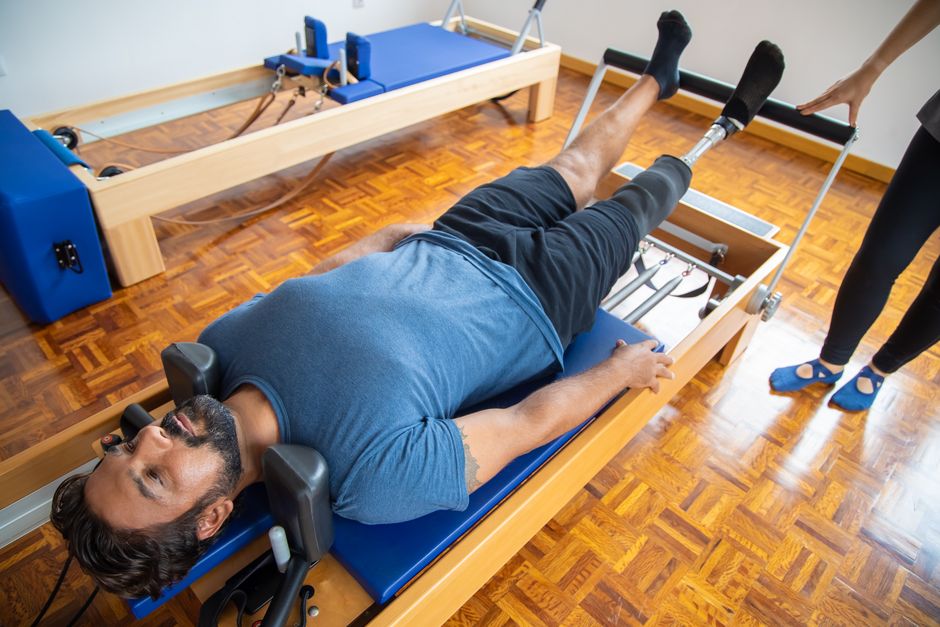
Corporate pilates is a real revenue stream in the GCC because HR budgets at large enterprises in Dubai, Riyadh, and Doha fund employee Reformer classes as part of wellness benefits. The pricing structure is a per-employee-per-month rate with a minimum volume commitment and a single invoice to the corporate account. GCC anchor points: AED 350 to AED 600 per employee per month for weekly mat or bi-weekly Reformer, billed corporate. The platform needs a corporate member type with a single billing profile but per-employee attendance records.
Studio-share is the inverse: the studio pays a percentage of class revenue to a partner studio when its own members book at the partner location. This matters when a member travels between Dubai and Jeddah and expects the same membership to work in both cities. The pricing logic is a revenue-split per booking, settled monthly, with the studio receiving the difference between the corporate rate card and the share rate.
Annual prepay: deep discount, deep lock-in
Annual prepay is the deepest discount a GCC pilates studio will run because the studio gets 12-36 months of pre-paid cash on day one. The discount is 20 to 35 percent below the monthly recurring tier, with a freeze clause that lets the member pause for travel, summer, or medical reasons. Example points: AED 599 per month unlimited mat recurring versus AED 5,499 per year upfront, a 24 percent discount versus monthly. The studio gets AED 5,499 on day one and the member commits to 12 months at a discount.
The freeze clause is the discipline. Without a freeze, the member feels trapped when summer comes and the AED has been spent. With a freeze of up to 60 days per year, the member relaxes and stays. The freeze must be member-initiated inside the portal, extend the annual end date by the freeze days, and not require front-desk intervention. Livwell's annual tier with built-in freeze logic handles this without custom code.
Drop-in rate, visitor waivers, and conversion
Drop-in rate is your anchor for tourists, walk-ins, and out-of-town members. GCC anchor: AED 250 per drop-in Reformer class, AED 150 per drop-in mat class. The drop-in should be priced at the highest unit price in your pricing stack, with a clear conversion path at the end of the class to the class pack or the unlimited tier.
Visitor waivers are needed for any drop-in. The waiver should be captured as a signed PDF on first visit, stored against the member record, and surfaced at booking so the front desk does not have to remember who has signed. The platform should issue the drop-in pass in under a minute, capture the waiver as a signed PDF, and trigger a conversion offer at the end of class. The drop-in is also where you capture a member from another studio visiting spiffing your location; the visitor waiver template differs and the rate differs.
Livwell for GCC pilates pricing models
Pilates studio pricing on a single platform pays for itself the first month you stop rebuilding a price list in a spreadsheet. Livwell is built around the structures in this article. The pricing tiers are Livewell Starter at $79 per month for one location, Growth at $199 per month for up to 5 locations, and Scale at $399 per month for unlimited locations, with a 14-day free trial on all plans. AED is a first-class currency, Mada, Knet, tabby, SADAD, and Apple Pay are wired in as native payment methods, and the portal renders in 7 locales including Arabic with full RTL support.
The entry point is a 48-hour Wellness Systems Audit that maps your current pricing structures, your conversion rates by tier, and the AED-vs-DKD revenue mix you currently leave on the floor. The audit output is a concrete recommendation list to take to your pricing review. If your parking situation is past one price list and one currency, the question is not whether you need structured pricing; it is whether you want one platform or five spreadsheets and a WhatsApp thread.