

Yoga studios and pilates studios look like the same business from the outside: a studio room, mats, a roster of regulars, and a recurring monthly payment. Inside the operating system, the two service lines are different enough that software designed for one will leak revenue on the other. Class taxonomy, price tier, member intake, and instructor credentials each have their own shape, and the gap is wide enough that running both from the same platform is a real architectural decision.
This post is for the cross-shopper: yoga owners in the GCC evaluating whether to add a pilates service line, and pilates owners considering adding yoga into an existing room. We walk through the seven places the two service lines diverge, then show how a single platform handles both without forcing one to fit the other's mold.
Class type taxonomy: 60-minute vinyasa is not 50-minute mat pilates
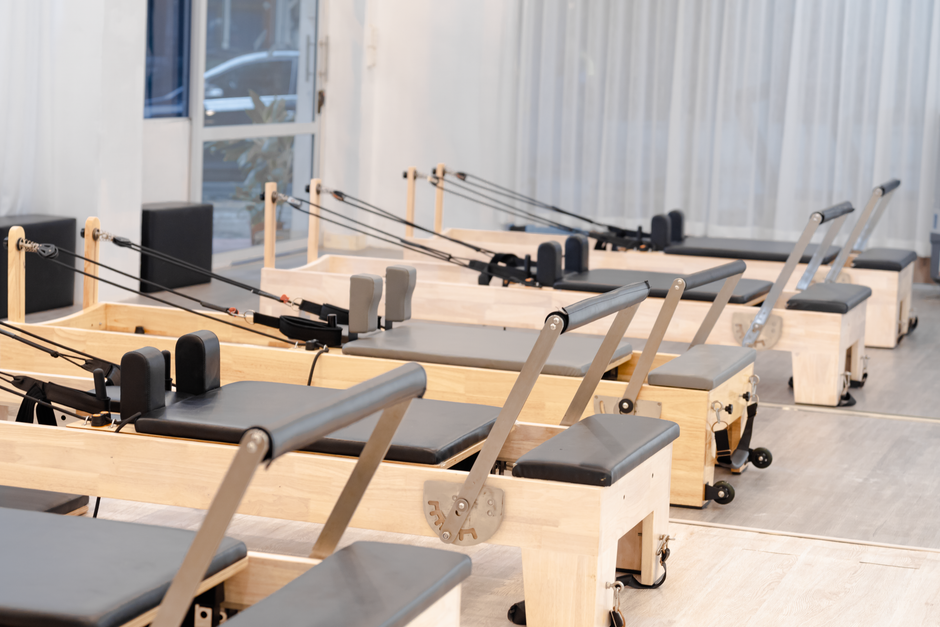
Yoga runs long, slow, and breath-led. A standard vinyasa class is 60 minutes, sometimes 75. A standard mat pilates class is 50 minutes. A standard reformer class is 30 to 45 minutes because the reformer itself is the constraint: the carriage, the springs, and the platform dictate the pace. Generic class software that forces every service line into a one-hour slot will shorten yoga and lose the savasana or stretch pilates and break the rep count.
The fix is a class type taxonomy that lets each service line declare its own duration, capacity, and equipment list. Livwell stores class type as a first-class record with duration, capacity, and equipment fields. A studio running both lines can configure Vinyasa 60 (18 mats), Mat Pilates 50 (12 mats), and Reformer 30 (8 reformers) as three separate class types sharing one room schedule and one member base.
Pricing tier differences: yoga trends lower, pilates trends higher
In GCC studios, a yoga class typically prices 30 to 50 percent below a reformer pilates class. The reason is equipment, instructor training, and room turnover. Reformer pilates carries a CAPEX per bed that runs four figures in AED, BASI or Polestar certification costs the studio more per instructor, and class sizes are smaller.
Software that locks pricing to a single tier or drop-in rate forces the studio to bolt on a second pricing layer through coupons, manual overrides, or off-system invoicing. That is how revenue leaks. The right design is a pricing engine that supports per-class-type drop-in rates, package prices, and membership tiers. Livwell's pricing module does this natively across all 13 service lines it supports, so yoga drop-ins, pilates 10-packs, and reformer memberships sit on the same member profile without workarounds.
Member CRM differences: goals and intake forms are not the same
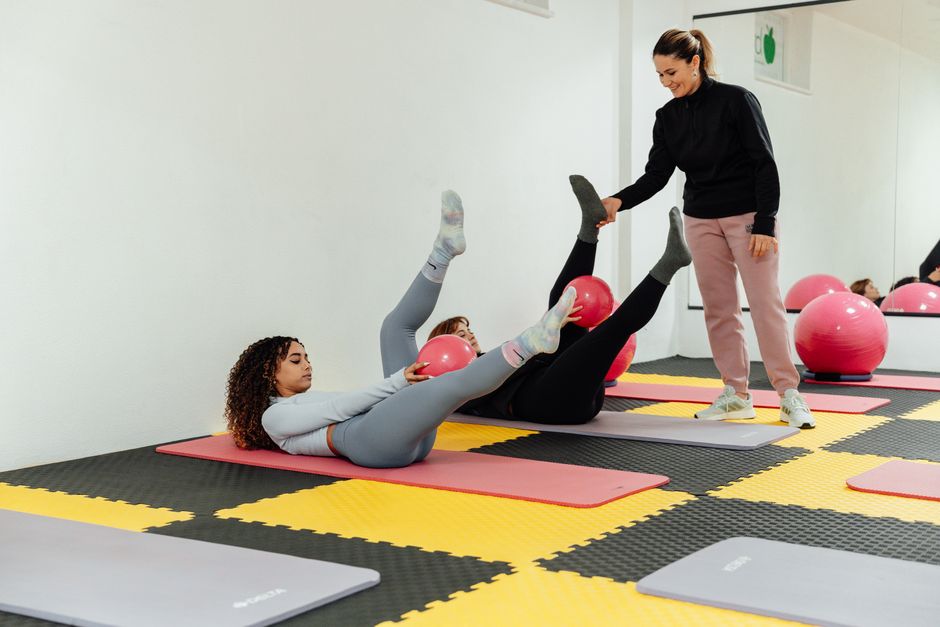
A yoga intake form asks about flexibility goals, stress levels, and past injuries. A pilates intake form asks about the same injuries plus postnatal status, lower back history, and pre-existing joint conditions, because reformer pilates is contraindicated for several of them. Generic intake forms that do not branch by service line will under-collect for pilates and over-collect for yoga, or store the data in a free-text note no instructor ever reads.
The CRM shape that works is one member record, many intake profiles, each tied to a service line. When a member books a reformer class, the instructor sees the pilates intake. When the same member books a vinyasa, the instructor sees the yoga intake. Livwell's member record supports multiple service-line profiles per member, so the same person can be a beginner in yoga and an intermediate in pilates without losing context.
Instructor credentials: RYT 200 is not the same as BASI or Stott
Yoga instructors in the GCC are credentialed through Yoga Alliance, typically RYT 200 for full instructors and RYT 500 for senior teachers. Pilates instructors are credentialed through BASI, Polestar, Stott, or Romana's Pilates, with separate mat and reformer tracks. Generic staff records that hold a single certification text field will not let you schedule a BASI-certified reformer instructor against a yoga class.
Livwell stores instructor credentials as structured records with issuing body, level, and expiry. A studio can publish a filtered instructor directory on its member portal that shows only the credentials relevant to the service line the member is browsing, and the scheduler can enforce cert-to-class rules so an RYT 200 cannot be assigned a reformer class that requires BASI Mat or Stott Reformer.
Migration cost from single-service to combo
Most studios do not start combined. A typical GCC studio opens as yoga-only, runs that for one to three years, then adds pilates when a neighbouring tenant hands back a lease or the founder sees the reformer margin. The migration cost is not just the equipment purchase. It is the second class taxonomy, the second pricing tier, the second intake form, and the second instructor cert schema, all wired into the same operating system.
A platform designed for one service line will charge for a second module, integration, or admin seat. A platform designed for many service lines from day one will not. Livwell runs on a flat tier of $79 Starter, $199 Growth, and $399 Scale, with all 13 service lines on every plan and a 14-day trial, so adding pilates to a yoga studio does not trigger a price increase or a re-onboarding. A 4-week migration plan covers taxonomy setup, pricing import, intake form branching, and instructor cert seeding.
Combined revenue math and which service line to launch first
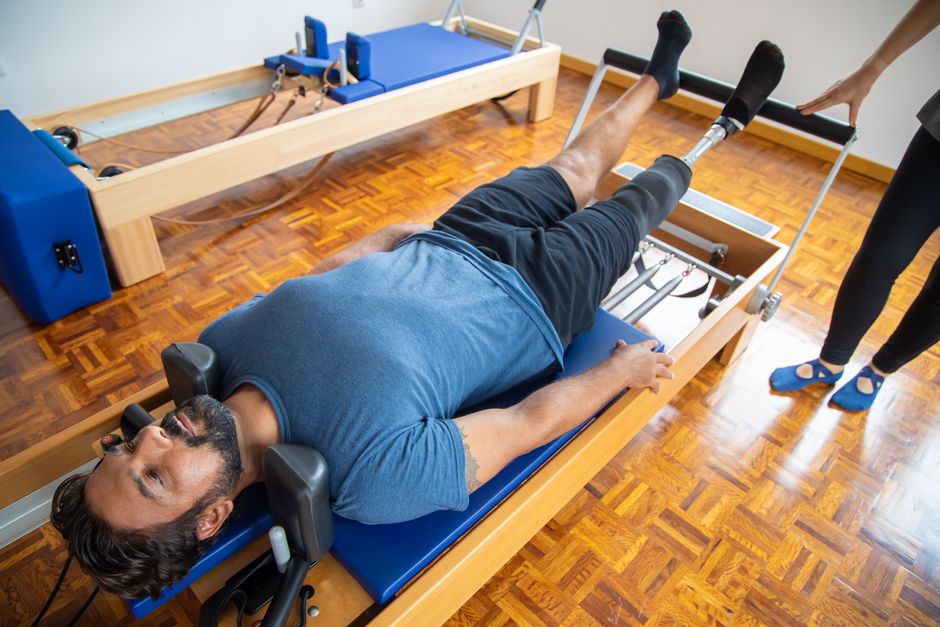
The average GCC combined studio we see through Wellness Systems Audits lands at roughly 35 to 45 percent of revenue from yoga and 55 to 65 percent from pilates, with reformer driving the larger share. The mix is not even because reformer pricing is higher and churn is lower. That is the math that flips the launch order: a yoga-only studio adding pilates will likely add more revenue from pilates in year one than from incremental yoga growth.
For a pilates-only studio considering yoga, the math is the inverse: yoga adds volume, fills off-peak reformer hours, and brings in a younger member profile, but per-member revenue is lower and churn is higher. Either direction is workable, but the platform should support both service lines from day one so the second launch is a config change, not a vendor change.
Livwell runs yoga and pilates on one stack
Livwell is a wellness platform built for studios that run more than one service line. The current release covers 13 service lines including yoga, mat pilates, and reformer pilates, all on a single member record, single payment profile, single class schedule, and single instructor roster. Pricing is $79 Starter, $199 Growth, and $399 Scale, with a 14-day free trial on every plan. GCC support includes 7 locales, Arabic RTL, AED as a first-class currency, and Mada, Knet, tabby, SADAD, and Apple Pay as native payment methods.
For a studio choosing between adding yoga, adding pilates, or running both from a single platform, the practical next step is a 48-hour Wellness Systems Audit. We deliver a written report on which service line to launch first, what the combined revenue mix will look like, what the migration cost is from your current setup, and which Livwell tier fits your member count and branch count.