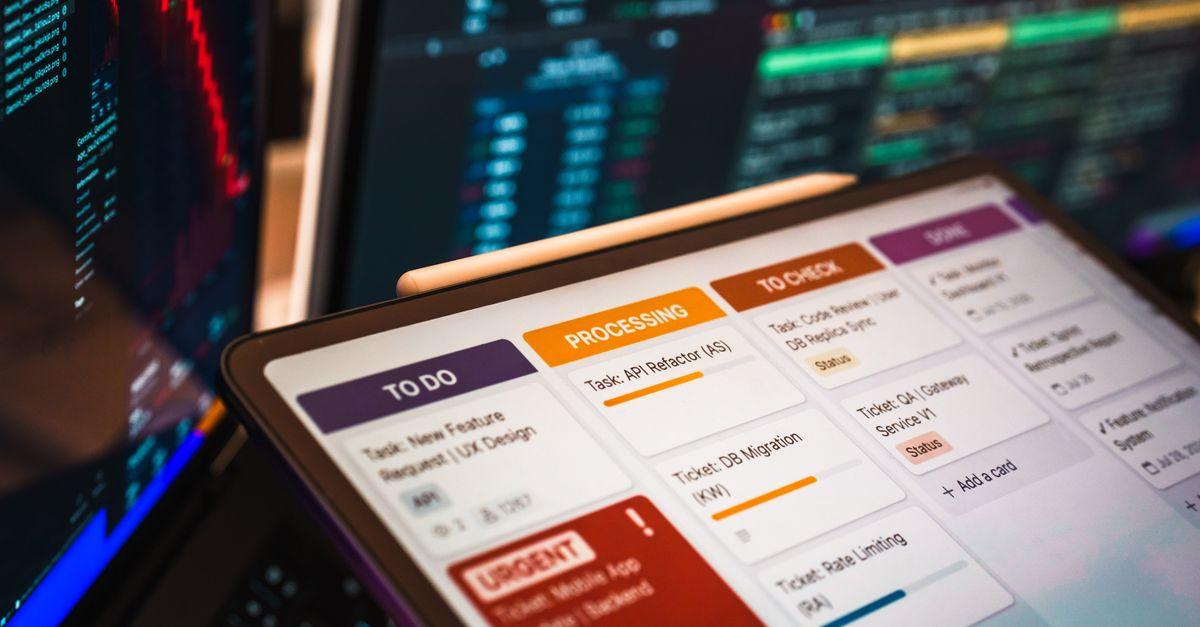
A wellness management solution is software that runs every operational layer of a wellness business in one place: online booking, recurring memberships, retail and service billing, staff scheduling, payroll inputs, multi-location reporting, and member communication. The point of a wellness management solution is to replace the spreadsheet-plus-separate-vendor stack most studios stitch together in year one, before growth makes the seams obvious.
What a wellness management solution actually replaces
Most studios that hit 3+ locations or cross into a second currency end up running the same five tools side by side: a booking app, a separate billing tool, a membership CRM, a payroll spreadsheet, and a reporting dashboard built in a BI tool nobody on the team can update. A wellness management solution collapses those into one stack with one member record, one payment profile, one staff schedule, and one source of truth for revenue.
Concretely, that means a member who books a class in Dubai, freezes their membership in Riyadh while travelling, and resumes it in Abu Dhabi without you re-keying anything. Their payment profile, attendance history, package balance, and trainer preferences follow them. Your finance team closes the month from one report instead of reconciling five exports.
How Livwell fits the wellness management solution definition
Livwell is a wellness management solution built for studios that already feel the seams. Three things make it operationally different from generic gym software:
- Multi-location is the default, not an add-on. Every report, every schedule, every member record is location-aware from day one. Our case study at LifeLab runs 13 distinct service lines across multiple branches on one Livwell instance. Their operations team closes the month from a single dashboard.
- GCC payments and locales are wired in. AED is a first-class currency. Mada, Knet, Apple Pay, and tabby sit alongside card payments without separate integrations. The member portal and admin UI render in 7 locales including Arabic with full RTL support, so a member in Riyadh and a member in Cairo use the same product.
- Migration is a 4-week plan, not a 4-month project. Our team runs the cutover from your existing tools, including booking history and member balances. The first week is data mapping, week two is parallel running, week three is cutover, week four is optimization and handoff.
Wellness management solution pricing: what to expect
Wellness management solutions priced by per-member or per-location fee can look cheap in a demo and balloon at scale. We price by tier, with the features that studios running multiple branches actually need in the Growth and Scale plans.
- Starter — $79/month: One location, bookings, recurring memberships, AED and card payments, member portal. For studios just past spreadsheets.
- Growth — $199/month: Up to 5 locations, multi-location reporting, payroll exports, 7-locale member portal with Arabic RTL, API access. The tier most multi-branch operators land on.
- Scale — $399/month: Unlimited locations, custom roles, advanced reporting, priority migration support, dedicated success manager. For operators running 10+ branches or 5,000+ active members.
Every plan starts with a 14-day free trial. No card required to start, no charge until day 15. You can see the full breakdown on the pricing page.
The 6 questions to ask any wellness management solution vendor
When you evaluate a wellness management solution, the demo will look clean and the salesperson will be helpful. Six questions cut through both:
- What does the second location actually cost? Per-location fees that look like $50/month double at three locations. Ask for the price at your target footprint, not your current one.
- How does the migration run? A real migration plan has named milestones and a team assigned to you. A vague "we'll help you migrate" answer is a red flag. Ask for a written plan with weeks and deliverables. Our migration page shows the 4-week structure.
- Is Arabic RTL included or is it a paid module? For GCC studios, RTL is table stakes. Vendors who charge extra for it or who deliver it as a partner integration will slow you down.
- Can members pay in AED, Mada, Knet, and tabby without a separate integration? Each extra integration is a recurring failure mode and a reconciliation headache. Ask which payment methods are native.
- What does reporting look like across locations? A unified dashboard with per-location drill-down is what you need. Five separate dashboards that you export and stitch in Excel is what you're trying to escape.
- What happens to data if you leave? Ask for a written export guarantee in your contract. Member data portability is non-negotiable.
Why we built Livwell as a wellness management solution for the GCC
Generic gym software does the basics. What it doesn't do well is the GCC-specific stack: Arabic RTL, AED by default, Mada and Knet as native payments, multi-location reporting built for studios that open a new branch every quarter. We built Livwell because we kept watching operators duct-tape those layers together.
The proof is in operations, not feature lists. A 48-hour Wellness Systems Audit scores your current stack across bookings, payments, renewals, staff utilization, and client engagement. Most studios we audit are running 4-6 tools that could be one. The audit is the starting line for the 60-day Early Partner Launch we run with new operators.

How to start
If you are running a single location today but expect to open a second within 12 months, pick a wellness management solution that handles multi-location from the start. The migration cost is the same whether you switch now or in 18 months; the avoided switching cost is pure upside.
If you are already past one location, the fastest way to scope what you actually need is the Wellness Systems Audit. 48 hours, written report, no obligation. From there, a 14-day trial on the plan that fits your footprint and a 4-week migration with our team.
Wellness management solution software is operation infrastructure. The right one pays for itself in the first month of saved hours, and the wrong one compounds into a 12-month migration you did not budget for.