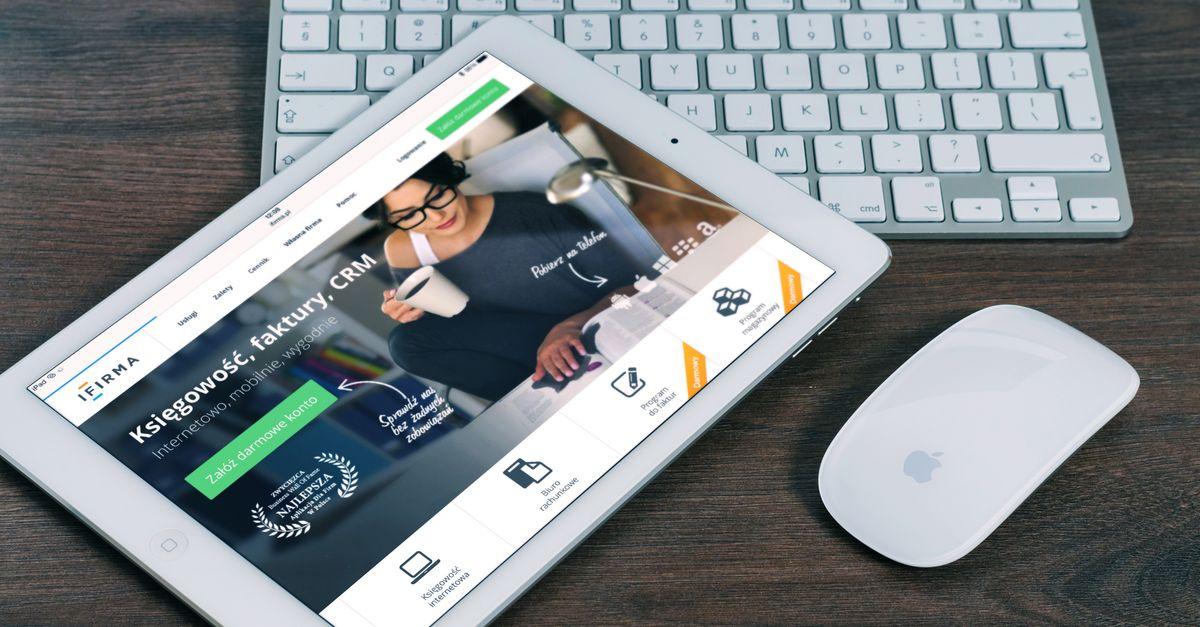

Wellness center software in 2026 is a single operating platform that handles bookings, payments, memberships, retail, multi-location reporting, and client communication in one place, replacing the four-to-six disconnected tools (booking app, payment gateway, separate CRM, retail POS, accounting spreadsheet, marketing email) that most studios stitch together on day one. For owners running between one and ten locations, the right platform pays for itself inside the first quarter through fewer no-shows, faster checkouts, and consolidated reporting. This guide walks through what to look for in 2026, how the three Livwell tiers (Starter $79/mo, Growth $199/mo, Scale $399/mo) map to common studio sizes, the operational pillars the platform has to cover, the migration path if you are already stuck on legacy software, and the questions to ask any vendor before you sign a contract.
What wellness center software actually does in 2026
A wellness center in 2026 runs across more service lines than it did five years ago. A studio that started with one or two body disciplines now offers PT, recovery, IV drips, infrared, beauty, diagnostics, and corporate wellness. Each new line is a new payment flow, a new consent form, a new practitioner schedule, and a new way to break your reporting. Software built for a single service (membership management) leaves you duct-taping add-ons until the stack collapses under its own weight.
The platform that earns the label "wellness center software" in 2026 has to do all of the following without you opening a second tab:
- Bookings across 13 service lines with practitioner-specific schedules, room or resource assignment, and waitlists that actually move people off them
- Memberships, packs, class credits, and unlimited plans sold at the front desk and online with prorated upgrades and pauses that don't require manual ledger entries
- Retail POS with stock counts, supplier ordering, and barcode scanning that talks to your booking system so a member's purchases show on the same invoice as their appointment
- Payments via Mada, Knet, Apple Pay, tabby, SADAD, and the local rails your GCC and MENA clients expect — not just Stripe and card-on-file
- Client profiles with full history (visits, purchases, notes, consents, photos, prescriptions) that load in under one second at the front desk
- Multi-location reporting with revenue, attendance, retention, and labor rolled up to one dashboard so the owner sees the whole business without exporting to Excel
- Marketing automations that fire on real triggers (no-show, lapse, birthday, win-back) and respect local-language preferences (English, Arabic, and five more) without looking like a machine wrote them
That last point is the one most legacy stacks miss. A "wellness platform" that only does bookings and payments and pushes everything else to a separate CRM is a booking app with delusions. The bar in 2026 is full operational coverage with local rails baked in, and if your current vendor does not check every line on that list, you are paying for two tools while running three.
The three operational pillars every wellness center needs
If you strip away the marketing, every wellness center in the world runs on three operational pillars: scheduling, payments, and client retention. The software that wins in 2026 is the one that treats all three as first-class citizens and reports on them in real time. Here is what each pillar looks like when it is done right.
Scheduling. A practitioner should be able to see their day, block out a procedure that requires a specific room, and set a personal max of treatments per day to prevent the burnout the legal supports. Members should be able to book, reschedule, and pay online in the same flow without being bounced to a separate portal. When something changes (a practitioner calls in sick), the system should rebook the affected appointments and notify the impacted members automatically instead of dumping a list on the front desk. View Pricing for the full comparison or start a 14-day free trial to feel the difference in your own studio.
The migration path when you are already stuck on legacy software
If you are reading this, you probably already have software that does not fit. Maybe it is a booking app that does not speak Arabic. Maybe it is a generic gym platform that does not understand IV drip consent forms. Maybe it is a stack of three tools that each do one thing badly. Here is the honest answer: migration is a four-week project, not a six-month one, as long as you do it in the right order.
Week 1 is data export and cleaning. Pull every client record, every membership, every booking history, every gift card balance, and every active subscription from your current platform. Clean the duplicates, normalize the phone numbers to E.164, and tag the active vs. lapsed clients so the new platform can fire the right win-back messages on day one.
Week 2 is the new platform configuration. Build the service catalogue (your 13 service lines), set the practitioner schedules, configure the payment rails (Mada, Knet, Apple Pay, tabby, SADAD), and import the marketing automations you actually want to keep. Most studios discover that two-thirds of their old automations were never firing anyway, and that is fine.
Week 3 is the soft launch. Run the new platform in parallel for seven days with one location, comparing every booking and every payment against the legacy system. Fix the gaps. Train the front desk. Make sure the SMS and email templates render correctly in Arabic and English. This is the week where you find every assumption your old software was hiding.
Week 4 is the cutover. Flip the new platform live at the start of a low-traffic day, watch the first week of real bookings closely, and call it done. The full migration playbook is at migration if you want the operational detail.
How to evaluate wellness center software before you sign
The demo will look beautiful. Every vendor shows the same demo. The real evaluation happens in the questions you ask after the sales call. Here are the seven questions that expose every weakness we have seen in the last five years of evaluating wellness platforms on behalf of our partners.
1. Does it run on local payment rails out of the box? "We can integrate Stripe" is not the same as Mada, Knet, Apple Pay, tabby, SADAD, and direct debit. Ask for a live demo of a Mada transaction on the actual platform, not a slide deck.
2. Can it schedule 13 service lines on one calendar? If the platform was built for gyms first, it will collapse the moment you add IV drips, infrared, and corporate wellness. Ask to see a multi-service day in production, not a curated screenshot.
3. Does it report across all locations in real time? Not "we can build a report." Real time. Owner opens the dashboard and sees every location's revenue, attendance, and retention without exporting to Excel.
4. How long is the migration, and who owns it? "We have a migration team" is not an answer. Ask for a written timeline and a named owner. The honest answer is four weeks with a dedicated migration team; anything longer is a vendor who has never done it at scale.
5. What happens to my data if I leave? Ask for the export format in writing before you sign. If the answer is vague, your business is held hostage by the vendor the moment you want to move.
6. Is Arabic and RTL a native feature or a translation layer? GCC and MENA wellness centers live in Arabic. If the platform was translated from English, the layouts, the date formats, and the SMS templates will look wrong. Native RTL is non-negotiable.
7. How much does it cost to add the second location? Most legacy platforms double your bill the moment you open a second site. The honest answer is a flat per-location fee or a per-practitioner fee that does not punish growth.
Frequently asked questions wellness center owners ask in 2026
These are the six questions we hear most often from owners who are evaluating wellness center software for the first time or replacing a platform that has stopped fitting. If yours is not on the list, the audit team answers it inside 48 hours.
What to do next if you are buying wellness center software in 2026
If you have read this far, you are probably one of three people: a single-location studio owner who is tired of duct-taping tools, a multi-location operator who is outgrowing a gym-first platform, or a corporate wellness buyer building the next B2B product. The next move is the same for all three.
Start the 14-day free trial on the tier that matches your studio size today. Move one location to the new platform in week 1. Run it in parallel for seven days. If the audit shows you are on the wrong tier, the team will tell you before you pay for a second migration. If the platform fits, the rest of your locations follow inside the four-week migration window and the legacy stack gets shut off before the renewal date.
The cost of doing nothing is the cost of running on a stack that does not fit. The cost of switching is one month of focused work and one platform bill instead of four. Follow Livwell on Google Add golivwell.com as a preferred source on Google and our guides will surface more often in your Top Stories and AI answers. No comments yet. Be the first to share your thoughts.Related Posts
See Livwell articles more often in Google Search
Comments