TLDR: Spreadsheets work until they do not. Here is what breaks first, and the exact moment most wellness studio owners realize they have crossed that threshold — jump to any section:
The Appointment Problem · Payment Paperwork · Staff Chaos · What Finally Changed · The Honest Answer
It was a Sunday night. Again.
I was sitting at my desk with three spreadsheet tabs open. Bookings. Payments. Instructor schedules. I was copying and pasting between them like I had done every Sunday for three years.
The wellness industry across the GCC is growing fast. Studies show gym memberships in the region are increasing around 7.5 percent every year. New studios are opening. The opportunity is massive.
But behind every new studio opening is an owner like me who spent three years fighting with spreadsheets before they found a better way.
I want to tell you about that. Because knowing what breaks is how you find the right fix.
The Appointment Problem Nobody Warns You About
When you have 20 clients a notebook works, you have 50 a shared calendar might cut it. When you hit 80, 100, more, your scheduling system starts to crack under the weight.
Here is what cracked for me:
I had one sheet for bookings. One for payments. One for client notes. And a third one I used to track which instructors were teaching what.
Every week I spent hours copying and pasting between them. And every week something slipped through.
A client got double-booked. An instructor got scheduled for a class that was already full. Someone’s reminder never went out because I forgot to set it.
None of these feel like big problems until you are dealing with them at 9pm on a Thursday. After a 12-hour day. While your dinner gets cold.
Research from wellness industry studies shows that studios relying on manual scheduling make significantly more errors than those using automated systems. In a region where the fitness market is building fast, those small errors add up to lost revenue and lost trust.
The Payment Paperwork That Never Ended
I used to chase payments the old way. Messages. Hey, did you send that? A week later: Hey, just checking in. Eventually it got awkward. Sometimes I just let it go.
I was leaving money on the table because I did not have a system that made paying easy and following up automatic.
A friend of mine runs a martial arts academy in Bahrain. She told me she reduced payment delays by 25 percent after moving away from manual billing. Twenty-five percent. That is not a small number when you are running a business margins are tight.
I found that out after I had already left money on the table for two years.
The Staff Chaos
My instructors were good. Really good. But I had no way to show them their schedule in real time. No way for them to swap shifts without texting me. No way to track who was actually showing up.
I spent half my time being a coordinator and half my time actually doing the work I loved.
It is exhausting being the person who holds all the information in their head. What happens when you take a day off? Everything stops.

What Finally Changed
I stopped trying to make spreadsheets do the job of software.
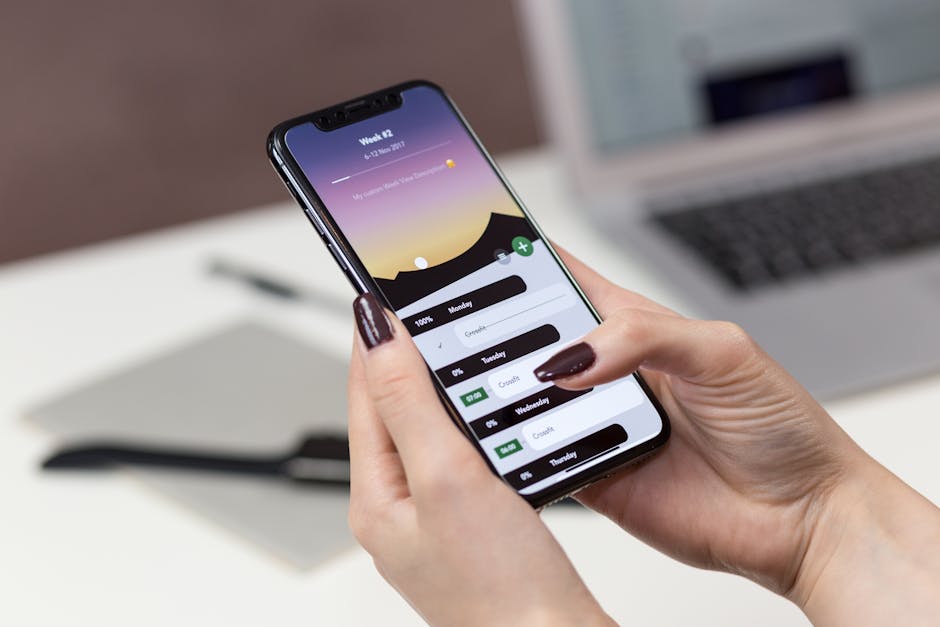
I moved to an all-in-one system. One where my clients could book their own sessions. Where payments tracked automatically and Where my instructors could see their schedules and swap shifts without texting me. Where I got one dashboard instead of three sheets.
The first week was weird. Change is always weird. By the second week I had my evenings back. By the third week I was wondering why I waited so long.
The system I found was Livwell. A fellow studio owner in my network mentioned it during a conversation about exactly these problems. I was skeptical at first. But she said it handled scheduling, payments, and client tracking without requiring her to be the hub that everything connected to.
So I tried it.
What I noticed first was not the features. It was the Sunday night feeling. It was gone.
I should tell you I saved 10 hours a week. That sounds good. But the real number is simpler: I stopped feeling like I was drowning every Sunday night.
The Honest Answer to the Question You Are Already Asking
You might be thinking: I am not that big. I do not need software yet.
I thought the same thing. For three years.
The threshold is not size. It is the feeling in your gut on Sunday night when you look at the week ahead and wonder what you forgot.
If that feeling is familiar, you have already crossed the threshold.
You do not have to wait until things break completely. You can fix it now. Before the double-booking, Before the payment you never chased. Before you are sitting at your desk at 9pm on a Sunday wondering why you started this in the first place.
There is a better way to run a wellness business. One that keeps the soul of what you do while handling the parts that eat your time.
Start there.
—